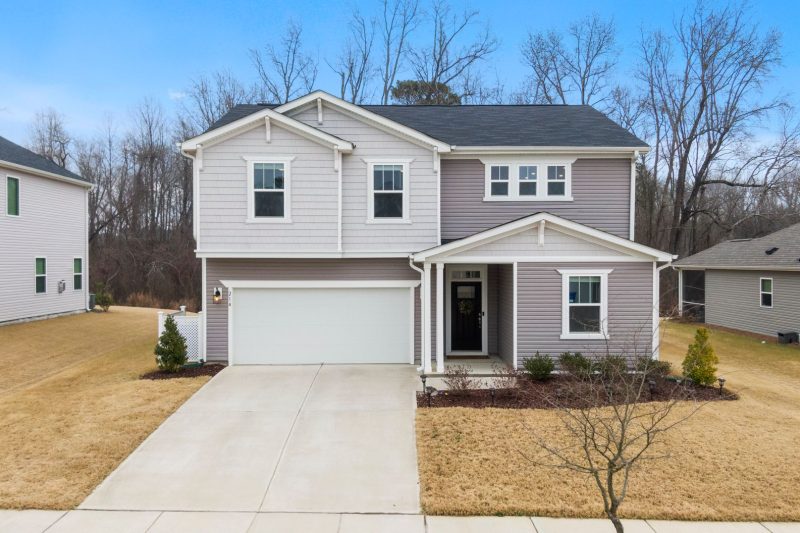
Refinancing can be a valuable option, but deciding whether the timing and costs make sense…
When Does Refinancing From an FHA Loan to a Conventional Loan Make Sense?
An FHA loan may have helped you purchase your home, but the mortgage insurance and monthly payment may no longer fit your situation.
Refinancing from an FHA loan to a conventional loan may make sense when you have sufficient home equity, meet conventional qualification guidelines, and can recover the closing costs through meaningful monthly or long-term savings.
In this guide, we’ll explain when the change may be worthwhile, how mortgage insurance works, and what to review before applying.
Key Takeaways
- Potential Savings: A conventional refinance may reduce or remove monthly mortgage insurance, depending on your equity and other qualifications.
- Qualification: Approval commonly depends on credit, income, debts, property value, loan amount, and current conventional guidelines.
- Timing: Refinancing generally makes more sense when you expect to keep the new loan long enough to recover the closing costs.
- Best For: This option may fit homeowners whose credit or equity position has improved since they obtained their FHA loan.
Quick Answers
- Can you refinance an FHA loan into a conventional loan? Yes. If you meet current conventional loan requirements, an FHA mortgage can generally be replaced with a conventional mortgage.
- Does home equity matter? Yes. Your equity affects the loan-to-value ratio and whether private mortgage insurance may be required on the new loan.
- Will a conventional refinance remove mortgage insurance? It may. Conventional private mortgage insurance is generally not required when the new loan meets applicable equity and loan-to-value guidelines.
- Will you need an appraisal? Often, yes. Some transactions may receive an appraisal waiver, but borrowers should plan for a valuation unless the lender confirms otherwise.
At The Ben Chenault & Travis Mitchell Team of MortgageBanc (NMLS# 2289), we help homeowners compare their current FHA loan with available conventional options before deciding whether to refinance. Our Birmingham roots go back to 2003, and joining Fairway in 2009 allowed us to combine hometown mortgage experience with broader lending resources.
Why Homeowners Consider Moving From FHA to Conventional
FHA loans can provide a practical path to homeownership, especially for buyers who need flexible credit or down payment guidelines. A loan that worked well at the time of purchase, however, may not remain the right fit forever.
The most common reason to consider an FHA-to-conventional refinance is mortgage insurance. FHA loans generally include an upfront mortgage insurance premium and an annual mortgage insurance premium paid through the monthly payment. Depending on when the loan was originated, its term, and the original down payment, that annual premium may remain for many years or for the life of the loan.
Conventional loans handle mortgage insurance differently. Private mortgage insurance, commonly called PMI, is generally tied to the loan-to-value ratio and borrower qualifications. If the new conventional loan is low enough compared with the property’s value, PMI may not be required.
The opportunity to remove FHA mortgage insurance does not automatically mean refinancing will save money. The interest rate, loan term, closing costs, monthly payment, and time you plan to keep the mortgage all matter.
Four Signs an FHA-to-Conventional Refinance May Make Sense
1. Your Home Equity Has Increased
Home equity is the difference between the property’s current value and the amount owed on the mortgage. Equity may increase as you pay down the loan, as the property appreciates, or through a combination of both.
A lower loan-to-value ratio can improve the structure of a conventional refinance. If the new loan does not require PMI, the monthly savings may be more meaningful. If PMI is still required, its cost will vary based on credit, equity, loan characteristics, and other factors.
An estimated property value is useful for early planning, but the lender may need an appraisal or another accepted valuation method. Online estimates can provide a starting point, but they do not make the final call.
2. Your Credit Profile Has Improved
Conventional loan pricing is influenced by factors that commonly include credit score, loan-to-value ratio, occupancy, property type, and loan purpose. If your credit profile has strengthened since you purchased the home, you may have access to a more favorable conventional structure than you did before.
Credit score alone does not determine the outcome. Lenders also review income, employment, assets, monthly debts, payment history, and the property. Agency requirements establish the basic framework, while individual lenders may apply additional requirements known as overlays.
3. The New Loan Produces a Clear Financial Benefit
A refinance should solve a specific problem. That may be lowering the monthly payment, removing mortgage insurance, changing the loan term, moving to a fixed-rate structure, or combining more than one of these benefits.
Compare the complete payments rather than looking only at the interest rate. The review should include principal and interest, mortgage insurance, estimated property taxes, homeowners insurance, and any applicable association dues. Taxes and insurance are not reduced simply because the mortgage changes.
Borrowers considering a predictable payment structure can also review how a fixed-rate mortgage works. The right structure depends on the current loan, the new terms, and how long you expect to own the property.
4. You Expect to Keep the Loan Beyond the Break-Even Point
The refinance break-even point is the time required for monthly savings to recover the closing costs of the new loan. As a simplified example, divide the estimated closing costs by the expected monthly savings. The result provides an approximate number of months needed to recover those costs.
This calculation should be treated as a planning tool, not the whole analysis. If the refinance restarts the loan with a longer term, a lower payment could still lead to more interest over time. Reviewing both the monthly effect and the longer-term cost provides a clearer comparison.
If you expect to sell, move, or pay off the mortgage before reaching the break-even point, refinancing may offer limited value.
FHA Loan Versus Conventional Refinance
| Feature | Existing FHA Loan | New Conventional Loan |
|---|---|---|
| Mortgage Insurance | Annual FHA mortgage insurance may remain for an extended period or the life of the loan, depending on the original terms. | PMI may apply based on loan-to-value ratio and borrower qualifications, but it follows conventional cancellation rules. |
| Credit Guidelines | FHA guidelines may allow more flexibility in certain credit scenarios. | Credit can have a greater effect on pricing and available loan terms. |
| Property Value | The current payment is based on the existing loan structure. | Current value helps determine equity, loan-to-value ratio, and possible PMI requirements. |
| Closing Costs | No new refinance costs if the loan remains unchanged. | A new loan generally includes lender, title, valuation, recording, and other applicable costs. |
Homeowners who want a broader explanation of their current mortgage can review our FHA home loan overview. Program rules, rates, and fees can change, so current information should always be verified for the specific property and borrower scenario.
When Refinancing May Not Be the Right Move
There are situations where keeping the FHA loan may be the more practical option. A conventional refinance may not provide enough value if current market rates are higher than the existing rate, the property has limited equity, or the closing costs take too long to recover.
Refinancing may also be less appealing if:
- You expect to sell the home soon.
- Your current FHA rate is significantly below available conventional rates.
- The new conventional loan would require PMI that offsets much of the expected savings.
- Your income, debt, or credit profile does not currently fit conventional guidelines.
- Extending the repayment term would increase the total interest cost more than you are comfortable with.
Sometimes the numbers are close enough that waiting may be reasonable. Additional principal payments, improving property values, or changes in your credit profile could create a different result later. There is no automatic deadline for making the change.
How the FHA-to-Conventional Refinance Process Works
The process is similar to applying for another mortgage. Clear communication. Every step of the way. That means reviewing the complete scenario before ordering services or moving too far into the application.
- Review the existing FHA loan. Gather the current mortgage statement, interest rate, remaining term, unpaid balance, and monthly mortgage insurance amount.
- Estimate the property value. This provides an early picture of the possible loan-to-value ratio, although the lender may require a formal valuation.
- Document income, assets, and debts. Common documents include recent income records, account statements, tax-related documents when applicable, identification, and homeowners insurance information.
- Compare available conventional structures. Review the interest rate, term, payment, PMI if applicable, closing costs, and estimated break-even point.
- Complete underwriting and closing. The lender verifies borrower eligibility and property eligibility before issuing final approval.
Borrowers sometimes assume that a strong equity position alone is enough. It is not. Conventional underwriting evaluates both the borrower and the property, and documentation requirements can vary by income type, occupancy, and loan program.
What to Compare Before Making a Decision
A useful refinance review should answer a few direct questions:
- What is the complete payment on the existing FHA loan?
- What would the complete payment be on the conventional loan?
- Would the new loan require PMI?
- How much would the refinance cost?
- How long would it take to recover those costs?
- Would the loan term restart or become shorter?
- How would the estimated interest paid over time compare?
- How long do you expect to keep the home and mortgage?
The answer is not always the loan with the smallest monthly payment. A longer term can lower the payment while increasing the time spent paying interest. A shorter term may reduce the repayment period but require a higher monthly commitment. The goal is to understand the tradeoffs before choosing.
Review Your FHA Refinance Options With a Local Team
For homeowners in Birmingham, Greater Birmingham, and Central Alabama, property values and refinance scenarios can vary across established neighborhoods and fast-growing suburban communities. Local knowledge. National strength. We bring both to the conversation while explaining the available options clearly.
With more than 30 years of experience, we know a refinance decision should be based on the full picture—not one rate quote or one line on a worksheet. We provide personalized guidance from the initial review through closing and remain here before, during, and after closing.
Call, text, or email us to review your current FHA loan, compare conventional refinance options, and understand the next steps. We can help you evaluate the payment, mortgage insurance, estimated costs, and break-even timeline based on current guidelines.
Frequently Asked Questions
Can conventional refinance closing costs be included in the new loan?
Closing costs may sometimes be included in the new loan when the property value, loan-to-value ratio, and program guidelines allow it. Increasing the loan amount can reduce upfront expenses, but it also means financing those costs and paying interest on them.
What happens if the home is worth less than expected?
A lower valuation can increase the loan-to-value ratio, create a PMI requirement, or limit the available conventional loan structure. We can review whether adjusting the loan amount, bringing funds to closing, or waiting would produce a more workable option.
Can an FHA Streamline Refinance convert an FHA loan to conventional?
No. An FHA Streamline Refinance replaces an existing FHA loan with another FHA loan. Moving to a conventional mortgage requires a conventional refinance application and qualification under current guidelines.
How soon after buying a home can you refinance from FHA to conventional?
Timing depends on the new loan’s purpose, agency requirements, lender guidelines, and the history of the existing mortgage. Some refinance transactions have waiting periods or payment-history requirements, so the current rules should be reviewed before applying.
Can you take cash out when refinancing an FHA loan into a conventional loan?
A conventional cash-out refinance may be available if borrower qualifications, equity, property eligibility, and current guidelines are met. Cash-out transactions follow different loan-to-value, pricing, documentation, and waiting-period rules than a refinance used only to replace the existing mortgage.

About the Author
Ben Chenault
Certified Mortgage Planner/SVP Area Manager at The Ben Chenault & Travis Mitchell Team of MortgageBanc · NMLS #130305
Ben Chenault is a mortgage professional with more than 30 years of experience helping homebuyers and homeowners throughout Birmingham and across Alabama. He specializes in home loans, mortgage refinancing, and financing solutions for first-time buyers, repeat buyers, and homeowners looking to achieve their financial goals. Known for his personalized service and clear communication, Ben is committed to making the mortgage process smooth, informed, and stress-free from application to closing.
Specializes in: First-Time Homebuyer Financing, FHA Loans, Conventional Loans
Licensed in: AL, FL, GA, SC
Related Posts