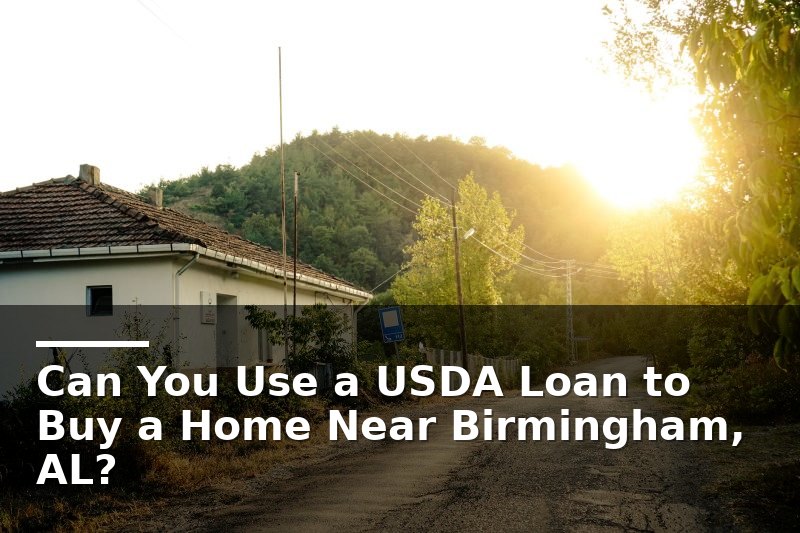
Finding a home near Birmingham with a manageable upfront cost can be challenging, especially when…
USDA Loans Explained: Opportunities for Homebuyers Beyond City Limits
Looking to buy in a less crowded spot, but worried about qualifying for a home loan? A USDA loan is a government-backed mortgage program designed to help eligible buyers purchase homes in rural and select suburban areas with no down payment required. In this article, we’ll cover the basics of USDA loans, who qualifies, how they compare to other programs, and what to expect if you’re considering this option in the greater Birmingham area—or anywhere these loans are available.
Key Takeaways
- Purpose: USDA loans help eligible buyers purchase or refinance homes in rural and certain suburban areas.
- Eligibility: Property location, income limits, and credit typically determine who qualifies.
- Down Payment: No down payment required for qualified borrowers.
- Best For: Buyers seeking affordable options outside major cities who meet area and income guidelines.
- Timeline: The loan process is similar in length to other government-backed mortgages, often around 30-45 days, but can vary.
Quick Answers
- What is a USDA loan? – It’s a mortgage program offered by the U.S. Department of Agriculture for eligible homes in designated rural and suburban areas.
- Do I need a down payment? – No. USDA loans don’t require a down payment for qualifying buyers.
- Who qualifies for a USDA loan? – Eligibility depends on property location, income, and credit history. Guidelines can change, so check with your lender.
- Can I use a USDA loan for a fixer-upper? – Generally, the home must be move-in ready, but there are exceptions. Other programs like FHA 203(k) may fit better for substantial renovations.
- Are USDA loans only for first-time buyers? – No. They’re available to repeat buyers as long as they meet the requirements.
What Is a USDA Loan?
A USDA loan, or Section 502 Guaranteed Loan, is a mortgage insured by the U.S. Department of Agriculture intended for the purchase or refinance of homes in eligible rural and suburban zones. For many families across Central Alabama—and throughout areas with a bit more space and greenery—these loans create opportunities to buy with no down payment and flexible credit guidelines. At MortgageBanc (NMLS# 2289), we find clients appreciate clear communication about how these unique loans work, as the details can differ from FHA and conventional financing.
How USDA Loans Work
Think of a USDA loan as a partnership between you, your lender, and the USDA. The USDA backs the loan (which gives lenders confidence), while the lender handles the processing, underwriting, and closing. Here’s how the key steps break down:
- 1. Check Property Eligibility: The home has to be in a designated USDA-eligible location. Many areas just outside Birmingham’s city limits, as well as parts of Central Alabama, meet the criteria.
- 2. Income and Household Size: Your household income typically can’t exceed a set limit for the area. These limits vary but are designed to help moderate-income buyers.
- 3. Credit Standards: Most lenders look for a solid history of on-time payments and manageable debts, but USDA loans often allow more flexibility than conventional loans.
Because USDA loans allow $0 down (100% financing), they’re especially attractive for buyers who want to keep more savings on hand after closing.
Who Qualifies for a USDA Loan?
Qualification is based on a few essential factors:
- Location: The property must be in a designated USDA-eligible area. While this often means rural communities, some quickly growing suburban neighborhoods are included.
- Income: Typically, your household income must be within the published limits for your county and household size. These guidelines are updated annually.
- Occupancy: The home must be your primary residence.
- Citizenship: U.S. citizens, U.S. non-citizen nationals, or qualified aliens may apply.
- Credit: There’s no set minimum score, but steady payment history and a manageable monthly budget are key.
If you’re not sure whether your dream home or financial scenario fits the requirements, we’re here before, during, and after closing—with local knowledge and national strength to help you navigate the rules.
What Types of Homes Can USDA Loans Finance?
USDA loans can be used for:
- Single-family homes
- New construction (with some extra steps and requirements)
- Certain townhomes and condos, if they’re in eligible areas
The property should be “modest in size, design, and cost” by USDA standards. Luxury homes, vacation properties, and investment properties aren’t permitted under this program. The home must also be in good condition—no major health and safety hazards—since the goal is to support safe, livable housing in less urban areas.
USDA Loans vs. FHA and Conventional Loans
Wondering how USDA stacks up against other options? Here’s a quick side-by-side:
| Feature | USDA Loan | FHA Loan | Conventional Loan |
|---|---|---|---|
| Minimum Down Payment | 0% | 3.5% | As low as 3% |
| Area Restrictions | Yes (eligible areas only) | No | No |
| Income Limits | Yes | No | No |
| Primary Use | Primary residences | Primary residences | Primary, secondary, some investment |
| Mortgage Insurance | Yes (lower than FHA, guidelines apply) | Yes (MIP required) | May require PMI below 20% down |
If you’re considering an FHA home loan or a fixed rate mortgage as alternatives, it’s smart to review side-by-side options—since each program serves different needs.
What Are the Steps to Getting a USDA Loan?
1. Connect With a Lender Who Knows the Program
Your first step is getting pre-approved. We gather information about your income, credit, and future property plans, and help you figure out what’s possible based on current USDA guidelines.
2. Find an Eligible Property
Use the USDA’s property eligibility map (or ask us to check for you) to be sure the home is in a qualifying location. Don’t rule out nearby communities—many surprising spots near Birmingham and surrounding areas qualify.
3. Make an Offer and Complete Your Loan Application
Once your offer is accepted, we’ll collect loan documentation and order an appraisal (the USDA requires property appraisals, just like other loan programs). The process from accepted offer to closing is similar to other government-backed loans and typically takes about 30-45 days, depending on the scenario.
4. Final USDA Approval
After we finish our underwriting review, the file goes to USDA for a final “stamp of approval.” This step is unique to these loans and sometimes adds a few extra days to the process. We’ll keep you posted every step of the way.
USDA Refinancing: Is It an Option?
If you already have a USDA loan, there are streamlined refinance options with flexible requirements. These programs help lower your interest rate or payment, often with less documentation than a standard refinance. If you’d like to review scenarios for USDA, explore additional mortgage loan options or talk through refinancing, just reach out. We’re here to help you understand what fits your needs—now and into the future.
Common Myths and Need-to-Knows
- You don’t have to live in the “country”. Many suburbs and even some towns you drive through every day can qualify as USDA-eligible.
- First-time homebuyers and repeat buyers alike can use USDA loans—as long as other requirements are met.
- No down payment doesn’t mean “no closing costs.” You’ll still have standard closing costs (which can sometimes be paid by the seller or rolled into the loan, depending on guidelines), but you won’t need to bring a down payment at closing.
- Guidelines change. Where you’re considering buying, area eligibility, and income limits may update periodically. Double-check the latest with a trusted lender.
Why Work With a Local Lender?
Our team at MortgageBanc has been based in Birmingham for more than 20 years. We believe experience you can trust and local knowledge go hand-in-hand when you’re navigating the details of rural and suburban lending. Clear communication makes the process less stressful—especially with programs that are less familiar to most buyers, like USDA.
We stay in touch every step of the way, so you know what to expect before, during, and after closing. Whether you’re eyeing a home in a small Central Alabama community, a fast-growing suburb, or an outlying area, we’ll help you compare your options and understand what comes next.
Get Started With USDA Loans in Birmingham and Central Alabama
Looking at homes outside the city—or just curious if you’d qualify? Let’s have a conversation. Call, text, or email us to review your scenario, see which homes and programs you might be eligible for, and get pre-approval planning underway. We’ll explain your options clearly, compare USDA with FHA and conventional options, and make sure there are no surprises at closing.
Frequently Asked Questions
Are USDA loans just for farms?
No—despite the name, USDA loans are designed for single-family homes in eligible rural and select suburban areas. They are not restricted to farming properties.
How do I find out if a property is eligible for a USDA loan?
You can check the USDA website for eligible area maps, or contact us and we can help identify whether the property you’re interested in qualifies under USDA guidelines.
What’s the minimum credit score for a USDA loan?
There’s no universal minimum, but most lenders look for a stable payment history and responsible use of credit. Guidelines may change, so it’s best to get a personalized review.
Can I buy a fixer-upper with a USDA loan?
USDA properties need to meet basic livability standards, but limited repairs may be allowed. For major renovations, another program like an FHA 203(k) or a rehab loan may be more appropriate.
Can I use a USDA loan for new construction?
Yes, but the process is more involved and there are extra requirements. We can walk you through the steps if you’re interested in building in an eligible area.

About the Author
Ben Chenault
Certified Mortgage Planner/SVP Area Manager at The Ben Chenault & Travis Mitchell Team of MortgageBanc · NMLS #130305
Ben Chenault is a mortgage professional with more than 30 years of experience helping homebuyers and homeowners throughout Birmingham and across Alabama. He specializes in home loans, mortgage refinancing, and financing solutions for first-time buyers, repeat buyers, and homeowners looking to achieve their financial goals. Known for his personalized service and clear communication, Ben is committed to making the mortgage process smooth, informed, and stress-free from application to closing.
Specializes in: First-Time Homebuyer Financing, FHA Loans, Conventional Loans
Licensed in: AL, FL, GA, SC
Related Posts