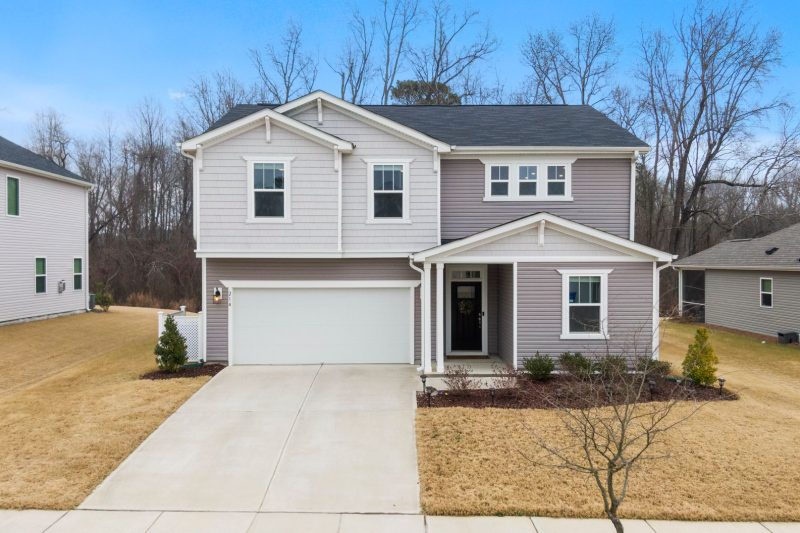
Selling one home while buying another can create a timing challenge, especially when much of…

Move-Up Buyers: How to Sell and Buy a Home at the Same Time
Selling your current home and buying your next one can feel like juggling with both hands tied—exciting, but a little daunting when timing and financing are involved. Buying and selling a home simultaneously means coordinating the sale of your existing property while securing and closing on your new home, often within a tight time frame. In this guide, we’ll break down what move-up buyers in Greater Birmingham need to know, how financing works, and practical steps to make the process as smooth as possible.
Key Takeaways
- Purpose: Helps homeowners transition from their current property to a new purchase without unnecessary gaps or double moves.
- Financing: Options commonly include traditional sales, bridge loans, and coordinated closings; each has pros and cons depending on your scenario.
- Timing: Coordinating both transactions typically requires careful planning and strong communication among all parties involved.
- Best For: Homeowners who need to sell their existing home in order to buy their next one, especially in competitive markets like Birmingham and the surrounding metro.
Quick Answers
- Can I buy a home before selling my current one? Sometimes—options like bridge loans or using savings make it possible, but eligibility depends on your finances and market conditions.
- Do I need to sell my home first to qualify for the new mortgage? Not always. Some lenders allow you to qualify using both properties, but your debt-to-income ratio and cash reserves matter.
- What is a bridge loan? A bridge loan is a short-term financing solution that lets you tap your current home’s equity to purchase a new home before selling the old one. Learn more about the bridge home loan program.
- What if both closings can’t happen on the same day? Temporary housing, rent-back agreements, or flexible closing timelines can help; your strategy should fit your situation.
Understanding the Move-Up Buyer Scenario
As Birmingham grows and neighborhoods evolve, many homeowners find themselves ready for something new—a little more space, a different location, or new features that better fit their needs. Moving forward often involves selling your current home and purchasing a new one, all within a fairly short window. This is what’s known as buying and selling simultaneously.
At MortgageBanc (NMLS# 2289), we’ve worked for years with clients throughout Central Alabama who need strategic guidance and clear communication to make this transition as seamless as possible. Our team specializes in walking homeowners through every step of the way—from timing your sale to exploring financing options tailored to your goals.
Why Timing Matters: The Dance of Two Closings
When you’re selling and buying at the same time, coordinating timelines can make the difference between a relaxed move and a stressful scramble. Ideally, you’d close on your sale and immediately close on your new home. In reality, these transactions are often linked, meaning one affects the other.
Common challenges include:
- Your home sells quicker than expected, and you need short-term housing.
- Your new home is ready, but your current sale is delayed—or vice versa.
- Financing your next purchase is dependent on the funds from your sale.
- Both buyers and sellers may want specific closing dates—sometimes conflicting with each other.
That’s why reliable, proactive planning is so important. Local knowledge and national strength, plus a team that can anticipate curveballs, give you an advantage in these dual transactions.
Move-Up Financing Options: What’s Possible?
Most people moving up want to use the equity in their current home as the down payment on their next. This can create a “chicken or egg” problem: Do you sell first and risk having nowhere to go? Or buy first and potentially juggle two mortgages?
Here are the most common ways homeowners approach simultaneous buying and selling:
1. Traditional Sale Contingency
This is the classic scenario: You list and sell your current home, then use the proceeds for your new home purchase. Your contract to buy typically includes a “sale contingency”—meaning your purchase depends on your old home selling first. This gives you financial security, but sellers in a hot market may view offers with sale contingencies as less attractive than non-contingent offers.
2. Bridge Loan
Bridge loans offer temporary financing by using the equity in your current home to cover the down payment on your next one, before the old home is sold. This gives you flexibility to buy first if the right property comes along—or if you want to avoid moving twice. Once your old home sells, you pay off the bridge loan. If you’d like a deeper dive, check out our bridge home loan program page.
3. Home Equity Line of Credit (HELOC)
If you have substantial equity, a HELOC can provide access to funds for a down payment before your sale closes. Just remember, qualifying for a new mortgage while carrying both your existing mortgage and a HELOC can be challenging—your debt-to-income ratio will be a key consideration.
4. Using Savings
Some homeowners are able to use personal savings or gifted funds for their new purchase, then reimburse themselves after the old house sells. This option offers the most flexibility, but it’s less common.
5. Rent-Back or Flexible Closings
It’s possible to negotiate with your buyer on the timing of your move. In a “rent-back” scenario, you sell your home but continue living in it for a predetermined period (usually paying rent), giving you extra breathing room to find and close on your next home.
Combining Mortgage Strategies: Which Loan is Right?
The timing and nature of your move-up purchase can affect the type of financing you qualify for. Here are a few common options our clients consider:
- Fixed-rate mortgages for stability and predictable payments.
- Low down payment purchase options (such as certain conventional or FHA loans) for those who want to act quickly before their sale closes.
- Jumbo loans in higher price ranges, if your move involves a significant upgrade.
Each solution has unique documentation, eligibility, and equity requirements—and all of them benefit from early planning and a team with the experience you can trust.
The Step-by-Step Process for Coordinating Both Sides
- Connect with Your Lending Team Early: Start a conversation before you list your home. We’ll review your finances, discuss possible scenarios, and map a realistic timeline together.
- Evaluate Your Current Equity: We’ll help you estimate sale proceeds, which impact your budget and move-up strategy.
- Get Pre-Approved for Your Next Mortgage: Knowing what you qualify for—with or without a sale contingency—is critical for smooth offers and negotiation. (If you’re in Alabama, Georgia, Florida, or South Carolina, our team can guide you.)
- Strategize with Your Realtor: We work closely with local agents to coordinate listing, showings, and negotiating closing dates—getting everyone on the same page. Clear communication is essential, every step of the way.
- Prepare for Transitional Options: Sometimes things move quickly. It’s wise to have a “plan B,” like a short-term rental, storage, or temporary housing, if the timing isn’t perfect on both transactions.
- Nail Down Closing Dates: Our team tracks the progress of your sale and purchase, helping to flag any speedbumps early and keep both deals moving forward.
Common Mistakes to Avoid
- Rushing the pre-approval process: Accurate pre-approval is key—especially in competitive markets like the Birmingham metro. Don’t rely on rough estimates.
- Not preparing for possible delays: Home inspections, buyer financing, or your own purchase contract can add days (or weeks) to your plan.
- Deciding on list price or house hunt without clarity: A realistic budget and timeline help you and your agent negotiate from a position of strength.
- Skipping the backup plan: Even with careful coordination, surprises happen. Temporary moves aren’t fun, but they’re better than losing out on your next home.
Why Move-Up Buyers Choose Us
For more than two decades in Birmingham, MortgageBanc has been helping clients and real estate professionals navigate these back-to-back moves. Our roots as a local lender—and our continued collaboration with Fairway—mean you get tailored solutions plus the strength and resources of a national mortgage company. We know this process is about more than transactions; it’s about relationships, and peace of mind before, during, and after closing.
We work side-by-side with your Realtor and keep you informed every step of the way. No surprises, no radio silence—just steady guidance through each milestone, with honest advice and reliable communication at the heart of what we do.
Ready to Start Your Next Chapter?
If you’re looking to move up in Birmingham, Alabama, or within the surrounding region, let’s plan a timeline that makes sense for you. Whether you’re buying your next home, selling your current property, or both, our team is here before, during, and after closing to make sure every detail is covered. Call, text, or email us to walk through your scenario, compare options, and see what’s possible. Pre-approval planning is the first step—and we’d be honored to be your lending team for the journey ahead.
Frequently Asked Questions
How do appraisals impact simultaneous transactions?
Appraisals are typically required for both your sale and purchase, and the timing can affect closings. If values come in lower or the process is delayed, adjustment of contract terms or negotiations may be needed to keep things moving.
Can I use gift funds for a down payment during a move-up purchase?
Gift funds are often allowed for many loan types, but documentation is key. Both your lender and the program you choose will have specific requirements for verifying and sourcing any gifts used in your move-up transaction.
Is it possible to rent out my old home instead of selling?
If you have the finances to carry two homes, renting your existing property is an option. Qualifying for your new loan will require your lender to review your full financial picture, and projected rental income may count toward your qualification depending on underwriting guidelines.
What happens if my old home doesn’t sell as quickly as planned?
In this case, you may need to adjust your purchase timeline, arrange for short-term financing, or consider alternatives like bridge loans or temporary housing. Communicating regularly with your agent and lending team helps you pivot quickly if plans change.
Does the local real estate market impact my move-up strategy?
Absolutely. In competitive markets, homes may sell quickly and offer fewer contingencies. Your timing, negotiating power, and even your preferred move-in date can depend on current market dynamics in Birmingham and surrounding areas.

About the Author
Ben Chenault
Certified Mortgage Planner/SVP Area Manager at The Ben Chenault & Travis Mitchell Team of MortgageBanc · NMLS #130305
Ben Chenault is a mortgage professional with more than 30 years of experience helping homebuyers and homeowners throughout Birmingham and across Alabama. He specializes in home loans, mortgage refinancing, and financing solutions for first-time buyers, repeat buyers, and homeowners looking to achieve their financial goals. Known for his personalized service and clear communication, Ben is committed to making the mortgage process smooth, informed, and stress-free from application to closing.
Specializes in: First-Time Homebuyer Financing, FHA Loans, Conventional Loans
Licensed in: AL, FL, GA, SC
Related Posts