
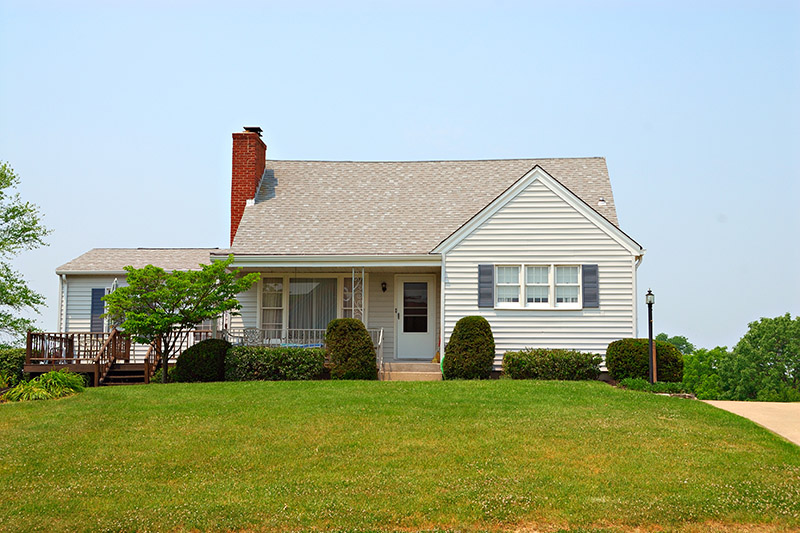
Understanding USDA Loans for Birmingham, AL Buyers
A USDA loan for Birmingham, AL buyers is a mortgage that may provide 100% financing when the borrower, household income, and property meet current program guidelines. At MortgageBanc, we help buyers evaluate eligible communities around the metro, compare financing choices, and understand the process before making an offer. Clear communication matters because “rural” eligibility can be more suburban than many buyers expect.
Key Takeaways
- 100% financing: Eligible borrowers may finance the full purchase price without making a down payment.
- Geographic requirements: The property must fall within a currently eligible area shown on the program’s property map.
- Household income limits: Eligibility considers qualifying income and income received by other adult household members, subject to applicable exclusions and deductions.
- Primary residences: USDA financing is generally intended for an eligible home you will occupy, not a second home or rental property.
- Property standards: The home must be residential, modest for the area, and able to satisfy appraisal and program requirements.
- Guarantee fees: The program includes upfront and annual guarantee fees under the guidelines in effect when you apply.
- Individual review: Credit, income stability, debts, assets, and repayment history remain part of the underwriting decision.
Common Questions About USDA Loans
USDA loans combine borrower, household, and property requirements, so eligibility depends on more than a credit score.
- What is a USDA mortgage? It is a government-backed home loan for eligible borrowers purchasing qualifying primary residences in designated rural and suburban areas. The guaranteed program is originated through approved mortgage lenders.
- Who may qualify for the USDA program? Borrowers generally need stable qualifying income, an acceptable credit and repayment profile, and household income within current limits. They must also intend to occupy the property as their primary residence.
- How much down payment is required? Eligible buyers may receive 100% financing, which means no down payment is required. Earnest money, inspections, closing costs, and prepaid expenses should still be discussed when planning your available funds.
- Can I use USDA financing for a home near the city? Possibly. Some communities outside the urban core may remain eligible, but an address should be checked against the current property map before you rely on the program.
- Do I need excellent credit? No single answer applies to every file because the automated underwriting result and the full credit profile matter. Borrowers with limited savings may also want to compare FHA home loans and other low-down-payment choices.
- Is mortgage insurance required? USDA loans use an upfront guarantee fee and an annual fee rather than conventional private mortgage insurance. Current fee amounts should be confirmed for your application in 2026.
- How long does the process take? Timing depends on documentation, appraisal conditions, underwriting volume, and any required agency review. A complete file and early eligibility checks can help reduce avoidable delays, but no closing date should be assumed until the loan is fully approved.
- Can I refinance an existing USDA loan? Eligible homeowners may have standard, streamlined, or streamlined-assist refinance paths, depending on current rules and their circumstances. A general mortgage refinance review can help compare those paths with other available programs.
How USDA Loans Work
The USDA mortgage process begins by checking the borrower and property requirements before moving into full underwriting.
- Discuss your goals: We start by reviewing your plans, income sources, debts, credit profile, and available funds. This gives us an early picture of whether USDA financing may be worth exploring alongside other loan types.
- Review household income: We identify every adult who will live in the home because program eligibility may consider income from household members who are not borrowers. Applicable adjustments and deductions are reviewed under current 2026 guidelines rather than guessed from gross salary alone.
- Complete pre-approval: You provide documents such as pay statements, W-2s, tax returns when required, asset statements, and identification. We review the file and, when appropriate, issue a pre-approval subject to underwriting, an acceptable property, and final verification.
- Verify the property address: Once you identify a home, we check its address against the current eligibility map. In our experience, two homes a short drive apart can receive different results because one lies inside an eligible boundary and the other does not.
- Order the appraisal and underwrite: The appraisal addresses market value and applicable property requirements, while underwriting reviews your credit, income, assets, debts, and contract. Conditions may require updated documents, explanations, or repairs before the file can proceed.
- Complete final review and closing: After lender underwriting is complete, the file may require agency review based on the applicable process. Final approval, required disclosures, verified funds, and satisfied conditions must be in place before documents are signed and ownership transfers.
When a USDA Mortgage May Make Sense
USDA financing may be a good fit for buyers who want a primary residence outside the urban core and prefer to preserve savings rather than make a down payment. It often works well for first-time or move-up buyers with stable income whose total household income remains within current limits. In our experience, a buyer may have enough cash for inspections, prepaid expenses, and reserves but still value the flexibility of 100% financing.
Other programs may be worth considering when the home is outside an eligible boundary, household income exceeds the limit, or the property will be used as a rental or second home. FHA financing may offer broader geographic access, while some first-time homebuyer financing options and low-down-payment purchase options may accommodate different income or property scenarios. A conventional fixed-rate loan may also deserve consideration when its total monthly cost, mortgage insurance structure, and flexibility compare favorably for your profile.
USDA Loan Costs, Fees, and What to Expect
A zero-down USDA loan still includes closing costs, prepaid expenses, and program guarantee fees. Common expenses include the appraisal, title services, recording charges, lender-related costs, homeowners insurance, prepaid interest, and initial escrow deposits. Seller contributions may be permitted within current guidelines, and an eligible appraisal above the contract price may sometimes create room to finance certain costs, but neither outcome should be assumed.
For example, on a $250,000 purchase with 100% financing, closing costs and prepaid items might total roughly 2% to 5%, or about $5,000 to $12,500, depending on taxes, insurance, discount points, title charges, and closing date. The financed upfront guarantee fee would also affect the final loan balance, while the annual fee is generally collected through the monthly payment.
| Feature | USDA Loan | FHA Loan | Conventional Loan |
|---|---|---|---|
| Typical minimum down payment | 0% for eligible transactions | 3.5% for qualifying borrowers | Varies by program and profile |
| Location restriction | Current eligible areas only | No program map | No program map |
| Income cap | Household limits apply | No program income cap | Usually no program income cap |
| Mortgage-related fee | Upfront and annual guarantee fees | Upfront and annual mortgage insurance | Private mortgage insurance may apply |
| Eligible occupancy | Primary residence | Primary residence | Varies by loan purpose |
| Rate comparison | Fixed-rate pricing based on current market and profile | Pricing based on current market and profile | Pricing based on current market and profile |
Interest rates and total costs vary with market conditions, credit, points, and transaction details. USDA files may also need additional review time, so the purchase contract should allow a realistic financing period.
Common USDA Loan Mistakes to Avoid
Most preventable USDA problems come from checking income or property eligibility too late.
- Relying on a ZIP code: Eligibility is determined by the specific property address, not the general town or ZIP code. A subdivision can even cross a boundary, making one phase eligible while another is not.
- Counting only borrower income: An adult child or relative living in the home may have income that affects household eligibility even when that person is not on the loan. This should be reviewed before you sign a contract.
- Spending all available cash: Zero down does not mean zero out of pocket. You may need funds for earnest money, inspections, an appraisal, prepaid expenses, or costs not covered by negotiated credits.
- Opening new debt before closing: Financing furniture or a vehicle can change your monthly obligations and underwriting result. Even a deferred-payment account may need to be documented and counted.
- Ignoring property condition: Suppose an appraisal identifies a damaged roof section, missing handrail, or nonfunctioning utility. Repairs and reinspection may be required before closing, so property condition should be considered when negotiating the contract.
- Assuming the timeline cannot change: Appraisal corrections, updated documents, repair verification, or agency workload can affect scheduling. Build reasonable flexibility into moving plans and avoid booking nonrefundable services too early.
Local Considerations for Birmingham, AL
Property eligibility generally becomes more common as buyers search beyond central neighborhoods such as Avondale and Homewood toward lower-density portions of Jefferson, Shelby, St. Clair, and nearby counties. Communities around Moody, Odenville, and parts of the broader Leeds area may be worth checking address by address, but eligibility boundaries can change and should never be inferred from a neighboring property.
Local employment is anchored by healthcare systems, university and medical research roles, financial services, manufacturing, and logistics, which can create files involving overtime, shift differentials, bonuses, or variable schedules. What we typically see is that documenting a reliable history of variable earnings matters just as much as the current pay rate. Buyers should also account for Alabama property taxes, homeowners insurance, septic systems, acreage, manufactured-home requirements, and longer commutes when comparing the full monthly cost of outlying properties.
Ready to Explore a USDA Loan?
We can help you determine whether your income, intended occupancy, and target property align with current USDA guidelines. Founded locally in 2003 and part of Fairway Independent Mortgage Corporation since 2009, MortgageBanc (NMLS #2289) combines local knowledge with broader lending resources. We are here before, during, and after closing with honest explanations, responsive service, and a touch of patience when the paperwork decides it wants an encore.
Get started with MortgageBanc today by using our Get Started form. We will review your scenario, explain possible trade-offs, and help you compare the programs that may be appropriate for your purchase or refinance.
This is educational content and not financial advice. Loan programs and guidelines can change. Talk with a licensed mortgage professional about your specific scenario.
